Introduction
Pimples are one of the most common skin concerns worldwide. They affect teenagers, adults, and even young children in some cases. While a single breakout can be frustrating, understanding why pimples develop is the first step toward healthier skin.
In this guide, we’ll explain the most common causes of pimples, how acne forms, and practical ways to reduce future breakouts.
What Is a Pimple?
A pimple forms when a hair follicle becomes clogged with excess oil (sebum), dead skin cells, and bacteria. This blockage can become inflamed, resulting in redness, swelling, and sometimes pus.
Pimples can appear on:
- Face
- Neck
- Chest
- Back
- Shoulders
Main Causes of Pimples
1. Excess Oil Production
Your skin naturally produces oil to keep itself moisturized. However, when too much oil is produced, pores can become blocked.
People with oily skin are generally more prone to acne.
2. Dead Skin Cells
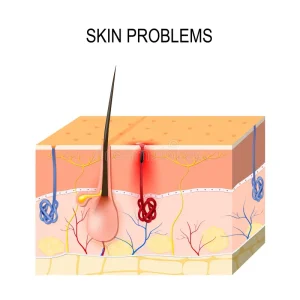
Your skin constantly sheds old cells. If these cells don’t leave the skin properly, they can mix with oil and clog pores.
Regular cleansing and gentle exfoliation may help reduce buildup.
3. Bacteria
A naturally occurring skin bacterium called Cutibacterium acnes can multiply inside clogged pores. This may trigger inflammation, leading to swollen, painful pimples.
4. Hormonal Changes
Hormones are one of the biggest triggers for acne.
Common periods include:
- Puberty
- Menstrual cycles
- Pregnancy
- Stress-related hormonal changes
Hormonal shifts can increase oil production.
5. Genetics
If your parents experienced acne, you may be more likely to develop it as well.
Genetics influence:
- Oil production
- Skin sensitivity
- Inflammation
- Acne severity
6. Lifestyle Factors
Several daily habits may contribute to breakouts, including:
- Touching your face frequently
- Sleeping on dirty pillowcases
- Using oily cosmetics
- Not removing makeup before bed
Improving these habits may reduce acne for some people.
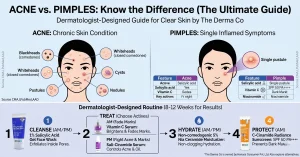
Types of Pimples
Different breakouts require different care.
Whiteheads
Small closed bumps under the skin.
Blackheads
Open pores filled with oil that darken after exposure to air.
Papules
Small, red, tender bumps.
Pustules
Inflamed pimples containing pus.
Nodules
Large, painful lumps beneath the skin.
Cysts
Deep, inflamed lesions that may scar and often require medical treatment.
How to Prevent Pimples
You cannot prevent every breakout, but these habits may help:
- Wash your face twice daily with a gentle cleanser.
- Avoid scrubbing your skin aggressively.
- Use non-comedogenic skincare products.
- Remove makeup before sleeping.
- Avoid picking or squeezing pimples.
- Change pillowcases regularly.
- Stay consistent with your skincare routine.
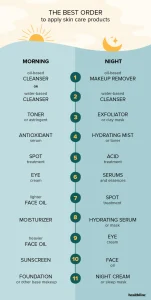
When Should You Visit a Dermatologist?
You should consider professional medical advice if:
- Acne is painful or severe.
- Over-the-counter products don’t help after several weeks.
- You notice permanent scarring.
- Breakouts are affecting your confidence or daily life.
A dermatologist can recommend treatments tailored to your skin.
Frequently Asked Questions
Can eating chocolate cause pimples?
Current research does not show that chocolate alone directly causes acne, though some people’s skin may react differently to certain foods.
Should I pop my pimples?
It’s generally best not to. Popping pimples can increase inflammation, raise the risk of infection, and lead to scarring.
Can adults get acne?
Yes. Acne can affect people of all ages, including adults in their 20s, 30s, and beyond.
Conclusion
Pimples develop because of a combination of excess oil, clogged pores, bacteria, hormones, and genetics. While there is no instant cure, a consistent skincare routine and healthy habits can reduce breakouts over time. If acne becomes severe or leaves scars, consulting a dermatologist is the safest approach.